
Examine the symptoms, definitions and differences between psychological and physical addiction. It is possible to have a deep psychological dependence on drugs or alcohol without ever experiencing the physical side effects of withdrawal. The only real way to look at addiction is as both a psychological addiction and a physical dependence. These components are inextricably linked to the chemical changes that occur in the brain.
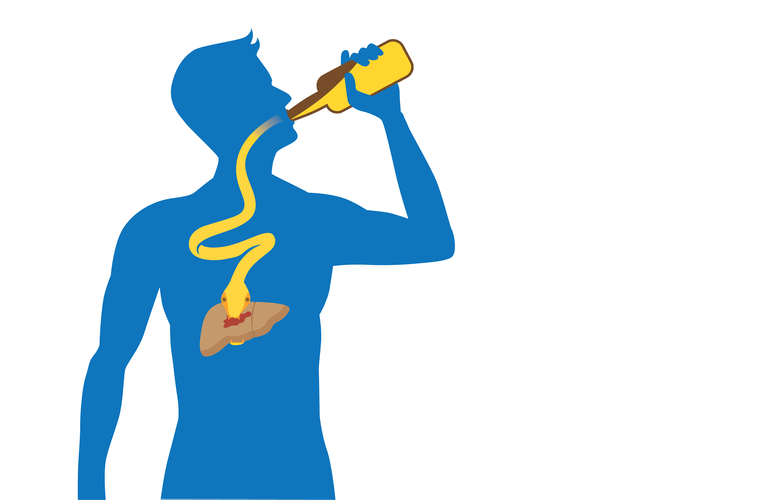
Once you are free from the physical component of this disease, we target the physicological side effects of addiction. During your personalized therapy sessions, we help you develop coping techniques, so you are empowered to live a sober life. Even after your time with us is over, our alumni services ensure you stay on the road to recovery.
Psychological effects
While some research suggests that small amounts of alcohol may have beneficial cardiovascular effects, there is widespread agreement that heavier drinking can lead to health problems. From a clinical standpoint, this is important because it underscores the value of these models in identifying and evaluating new treatment strategies that may be more effective in battling the problem of relapse. Support groups are self-help, peer level groups for recovering alcoholics that offer emotional support and specific steps for people recovering from alcohol dependence. They offer 24 hours help for alcoholics and therapy for their family members. Addiction programs usually offers counseling and therapy, mental health support and medical care. You may be treated as a resident in a special recovery center (inpatient), or you may attend a program while you live at home (outpatient).
Thus, at least as far as the occurrence of seizures is concerned, a similarity appears to exist between kindling and the repetitive brain excitation that occurs with repeated episodes of AW and which may lead to seizures and other symptoms. This similarity does not mean that the mechanisms for the two phenomena are identical, however. Although several potential neurochemical mechanisms exist both for kindling and for the progressive increase in seizures in withdrawal, none has yet been accepted universally. For example, some of the mechanisms proposed to explain kindling in withdrawal involve changes in the GABA transmitter system (Kang et al. 1996). However, once again, it is unlikely that drugs which affect this system selectively will be able to completely prevent the progressive increase in withdrawal severity. Although this idea has not yet been proven, evidence does suggest that current methods of detoxification have little effect on the progression of withdrawal severity (Becker and Littleton 1996).
End-Stage Alcohol Abuse
Schematic representation of some of the major neurochemical systems affected by alcohol. Nerve cells (i.e., neurons) convert chemical messages received at the cell body (at left in this simplified neuron) into an electrical signal that is conducted along the axon to the terminal (at right). At the terminal, the electrical signal is converted back into a chemical message (i.e., a neurotransmitter) that is released from the terminal and carries the information to the next neuron in the circuit.
Excessive alcohol use and early alcohol withdrawal can both cause tremors, also known as “the shakes” or “alcohol shakes.” The shakes can affect any part of the body but are very common in the arms, hands, and fingers. If you find yourself battling with alcohol cravings, and often giving into these cravings by picking https://ecosoberhouse.com/ up a drink, you may be well on your way to developing a physical dependency on alcohol. Without treatment, a physical dependence can cause physical and psychological discomfort. As recovering alcoholics ourselves we know how hard it is to find reliable, and free resources to help yourself or a loved one.
What is considered 1 drink?
Although approved pharmacologic treatment options for patients with AUD are limited in number, recent trials describe a host of alternative approaches to reducing alcohol consumption. These include the use of antipsychotics, antidepressants, anticonvulsants, and others, under the rationale that these drugs target the neurotransmitter systems that have been shown to undergo changes with chronic exposure to alcohol. This review describes current evidence for the clinical use of a broader range of pharmacotherapies in AUD, along with available information on patient characteristics (eg, genetic, demographic, behavioral) that may predict positive outcomes of treatment. Physical dependence on alcohol is a serious condition that can contribute to the development of alcohol addiction and other medical issues, but help is available. If you or a loved one thinks they are experiencing physical alcohol dependence, do not hesitate to contact a treatment provider to explore your treatment options.
If your pattern of drinking results in repeated significant distress and problems functioning in your daily life, you likely have alcohol use disorder. However, even a mild disorder can escalate and lead to serious problems, so early treatment is important. The majority of antidepressants studied in alcohol dependence use selective 5-HT reuptake inhibitors (SSRIs). These work by blocking the reuptake of 5-HT, allowing increased agonism of 5-HT receptors. 5-HT agonists have shown reduction in alcohol consumption in animal studies,70 and, due to these findings, may be a future option for AUD treatment. In One Flew Over the Cuckoo’s Nest, celebrated author Ken Kesey insightfully communicated the extreme cost that drinking can have on a chronic user’s life when Chief Bromden described the last time he saw his father, “He was blind and diseased from drinking.
Brain Damage
Health conditions, like cardiovascular and liver diseases, may be caused or exasperated by your alcohol use, and death from alcohol poisoning or long-term effects of alcohol use is imminent if treatment is not sought. Aside from intense cravings and consuming thoughts of alcohol, when not drinking, you may experience severe withdrawal symptoms, including visual or hearing disturbances or hallucinations, delirium, and possibly seizures. Significant advancements have been made in understanding the neurobiological underpinnings and environmental factors that influence motivation to drink as well as the consequences of excessive alcohol use. Given the diverse and widespread neuroadaptive changes that are set in motion as a consequence of chronic alcohol exposure and withdrawal, it perhaps is not surprising that no single pharmacological agent has proven to be fully successful in the treatment of alcoholism.
- As tolerance builds, a person who consumes alcohol will require a higher volume in order to experience the familiar effects.
- When it comes to treating addiction, you need to find an addiction treatment program that addresses both the physical and psychological components of this disease.
- For instance, children of people with an alcohol use disorder are four times more likely to also experience this disorder.
- As a result, many will end up feeling conflicted, confused, and self-conscious when they realize that drinking is not considered normal in other families.
- Instead, if you think you have a physical alcohol dependence, you should seek out a medical provider, a mental health professional, or an addiction counselor regarding safe options and resources to help you detox from alcohol.
- Disulfiram, naltrexone, acamprosate, and nalmefene all have benefits in the treatment of AUD.
Often, people drink to try and reduce symptoms (sometimes known as ‘self-medicating’), but in the long-term alcohol makes these disorders worse because it interferes with the chemical balance in our brains. Unlike tolerance, which physiological dependence on alcohol focuses on how much of the substance you need to feel its effect, physical dependence happens when your body starts to rely on the drug. If you were to suddenly stop using it, you would likely experience some harsh symptoms.
Alcohol also increases release of the neurotransmitter dopamine (DA) in a specific area of the brain, the nucleus accumbens. This action of alcohol is not very well understood but may play an important role in the rewarding effects of drinking, such as euphoria. (B) Examples of the adaptive changes thought to oppose the acute effects of alcohol. The bottom panels show possible consequences of these adaptations during withdrawal. For example, the adaptive changes in GABA receptor proteins caused by alcohol may make benzodiazepine tranquilizers, which also act on GABA receptors, less effective (i.e., may produce tolerance). A reduction in DA release in the nucleus accumbens may accompany alcohol withdrawal and may contribute to depression, anxiety, and emotional discomfort (i.e., dysphoria), perhaps leading an alcoholic to resume his or her drinking.
- The aim is to inform clinicians regarding the options for alcohol abuse treatment, keeping in mind that not all treatments are completely successful in reducing craving or heavy drinking or increasing abstinence.
- In addition to its effects at the NMDA receptor, alcohol can alter the flow of calcium through voltage-operated calcium channels (VOCC’s) at the cell body as well as at the terminal, where calcium is necessary for neurotransmitter release.
- Researchers theorize that neurons accomplish receptor upregulation by somehow “sensing” that their NMDA receptors are no longer being activated to the normal extent when alcohol is continuously present in the brain.
Spouses and children of heavy drinkers may face family violence; children may suffer physical and sexual abuse and neglect and develop psychological problems. Women who drink during pregnancy run a serious risk of damaging their fetuses. Relatives, friends and strangers can be injured or killed in alcohol-related accidents and assaults. We review here and invite your questions about physical addiction to alcohol at the end. He worked for many years in mental health and substance abuse facilities in Florida, as well as in home health (medical and psychiatric), and took care of people with medical and addictions problems at The Johns Hopkins Hospital in Baltimore. He has a nursing and business/technology degrees from The Johns Hopkins University.